Stomach Cancer Treatment
Overview
Stomach cancer, medically known as gastric cancer, typically originates in the inner lining of the stomach. As the disease progresses, cancer cells infiltrate deeper into the stomach walls. While stomach cancer is prevalent globally, it is relatively uncommon in the United States. Early-stage stomach cancer often does not present common symptoms such as unexplained weight loss and abdominal pain.
Stomach cancer, also known as gastric cancer, is characterized by the uncontrolled growth of cells within the stomach. This type of cancer can develop in various locations within the stomach. Approximately 95% of stomach cancer cases begin in the lining of the stomach and tend to progress slowly over time. When left untreated, it has the potential to form a mass or tumor and penetrate deeper into the walls of the stomach. Additionally, there is a risk that the tumor may spread to adjacent organs such as the liver and pancreas.
Risk Factors
When cells in the stomach lining mutate and become malignant, gastric cancer arises. The following illnesses and lifestyle decisions might significantly increase the likelihood of getting stomach cancer, even if the exact origins of these cell alterations are not entirely understood:
- Gastric adenoma
- Smoking
- Obesity
- Hereditary non polyposis colorectal cancer
- H pylori infection with chronic atrophic gastritis
- Juvenile polyposis
- Peutz Jegher’s Syndrome
Symptoms
When stomach cancer is first developing, it usually shows no symptoms. Even the most common early warning signs of stomach cancer, such inexplicable weight loss and stomach pain, typically appear only after the cancer has spread considerably.
- Decreased appetite
- Difficulty swallowing.
- Fatigue or weakness
- Nausea and vomiting
- Unexplained weight loss
- Heartburn and indigestion
- Dark or bloody stools or vomiting blood
- The sensation of bloating or excess gas after eating
- Stomach pain, frequently located above your navel
- Persistent feeling of fullness even after consuming a small meal or snack
Looking For Best Stomach Cancer Surgeon in Jaipur?
Book Your Appointment with Dr. S.K. Saini
Best Gastrointestinal Surgeon in Jaipur, serving for more than 14 years as proctologist and bariatric surgeon in Jaipur.
Contact UsCauses
- Helicobacter pylori (H. pylori) Infection
- Age and Gender: Stomach cancer is more common in older adults, with the risk increasing as you age. Men are also more likely to develop stomach cancer than women.
- Pernicious Anemia: Individuals with pernicious anemia, a condition that affects the absorption of vitamin B12, may be at a higher risk.
- Tobacco and Alcohol: Smoking and heavy alcohol consumption have been linked to a higher risk of stomach cancer.
- Diet: A diet high in salty, smoked, or pickled foods, as well as a low intake of fresh fruits and vegetables, is associated with an increased risk of stomach cancer.
- Family History: A family history of stomach cancer or certain inherited gene mutations can increase your susceptibility to the disease.
Treatment
- A family history of stomach cancer or certain inherited gene mutations can increase your susceptibility to the disease..
- Patients with advanced disease should undergo chemotherapy treatment in order to allow reduction in symptoms. It increases the survival and downstage the tumor to facilitate surgical intervention
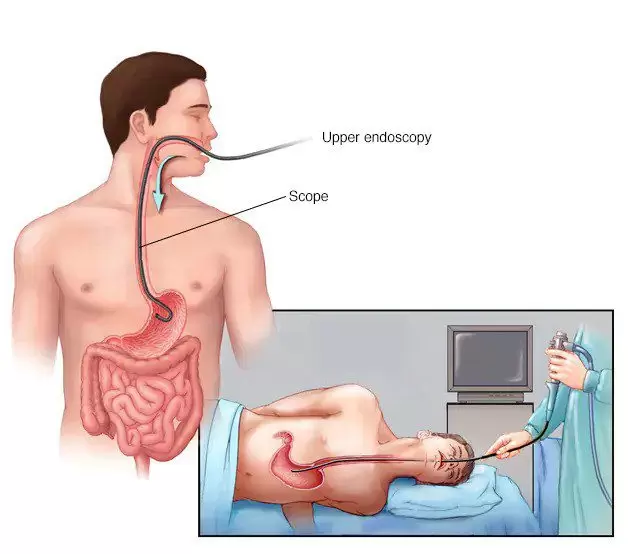
- Endoscopy is the main diagnostic tool for diagnosing gastric cancer. Endoscopic findings reveal presence of gastric ulcer with protruded margins and mass in the stomach.
- CECT abdomen indicated in cases of surgical resection
When to Consult Doctor Suresh Kumar Saini
Seek immediate care if you develop signs and symptoms of a serious stomach complication, such as:
- Abdominal pain so intense that you can't sit still or find a comfortable position
- Yellowing of your skin and the whites of your eyes (jaundice)
- High fever with chills
 Reviews