Gastro Intestinal Cancer Treatment
Overview
Gastrointestinal (GI) cancer refers to a group of cancers that affect the digestive system. This includes cancers of the esophagus, stomach, liver, pancreas, gallbladder, small intestine, colon, rectum, and anus. Each type of GI cancer has its own unique characteristics, risk factors, and treatment options.
Tumors in the small intestine may block the flow of food and affect digestion. As the tumor gets bigger, the blockages may cause pain in the abdomen. A slowly bleeding tumor may lead to anemia. Digested blood may cause the stool to become black or tarry. An obstruction—when the flow of food is completely blocked—may cause intense pain, nausea and vomiting and typically requires immediate surgery.
In general, however, intestinal cancer symptoms are often vague and difficult to diagnose. Small tumors in an early stage may not cause apparent symptoms until the cancer spreads, making early detection difficult. High-risk patients should develop a cancer prevention plan that involves regular screenings.
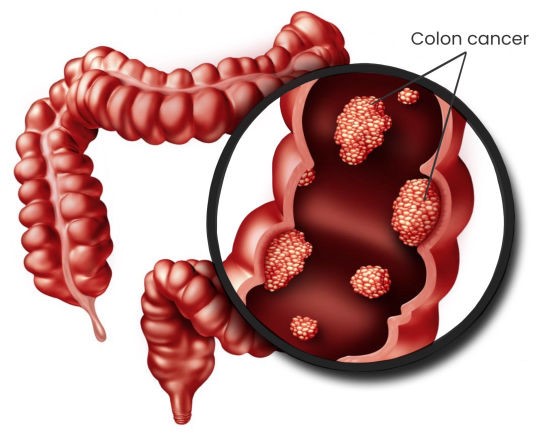
Types of Gastrointestinal Cancer
1. Esophageal Cancer
- Types: Squamous cell carcinoma and adenocarcinoma.
- Risk Factors: Smoking, alcohol consumption, gastroesophageal reflux disease (GERD), Barrett's esophagus.
- Symptoms: Difficulty swallowing, chest pain, weight loss, hoarseness.
2. Gastric (Stomach) Cancer
- Types: Adenocarcinoma, lymphoma, gastrointestinal stromal tumor (GIST), carcinoid tumor.
- Risk Factors: H. pylori infection, smoking, diet high in salted or smoked foods, family history.
- Symptoms: Indigestion, stomach pain, nausea, loss of appetite, weight loss.
3. Liver Cancer
- Types: Hepatocellular carcinoma, cholangiocarcinoma.
- Risk Factors: Chronic hepatitis B or C, cirrhosis, alcohol abuse, nonalcoholic fatty liver disease.
- Symptoms: Weight loss, upper abdominal pain, jaundice, fatigue.
4. Anal Cancer
- Types: Squamous cell carcinoma.
- Risk Factors: Human papillomavirus (HPV) infection, smoking, immunosuppression.
- Symptoms: Anal bleeding, pain, itching, lumps near the anus.
Risk Factors
Factors that may increase the risk of colon cancer include:
- Older age
- Black race
- A personal history of colorectal cancer or polyps
- Inflammatory bowel diseases
- Inherited syndromes that increase colon cancer risk
- Family history of colon cancer
- Low-fiber, high-fat diet
Symptoms
The common symptoms of intestinal cancer include:
- Abdominal pain
- Difficulty swallowing.
- Fatigue or weakness
- Nausea and vomiting
- Unexplained weight loss
- Heartburn and indigestion
- Dark or bloody stools or vomiting blood
- The sensation of bloating or excess gas after eating
- Bloody or tarry bowel movements
- Persistent feeling of fullness even after consuming a small meal or snack
Looking For Best Intestinal Cancer Surgeon in Jaipur?
Book Your Appointment with Dr. S.K. Saini
Best Gastrointestinal Surgeon in Jaipur, serving for more than 14 years as proctologist and bariatric surgeon in Jaipur.
Contact UsCauses
- Colon cancer happens when cells in the colon develop changes in their DNA. A cells' DNA holds the instructions that tell the cell what to do. The changes tell the cells to multiply quickly. The changes let the cells continue living when healthy cells die as part of their natural lifecycle
- This causes too many cells. The cells might form a mass called a tumor. The cells can invade and destroy healthy body tissue. In time, the cells can break away and spread to other parts of the body. When cancer spreads, it's called metastatic cancer.
Treatment
- A family history of intestinal cancer or certain inherited gene mutations can increase your susceptibility to the disease.
- Patients with advanced disease should undergo chemotherapy treatment in order to allow reduction in symptoms. It increases the survival and downstage the tumor to facilitate surgical intervention.
- Endoscopy is the main diagnostic tool for diagnosing gastric cancer. Endoscopic findings reveal presence of gastric ulcer with protruded margins and mass in the intestinal.
- CECT abdomen indicated in cases of surgical resection
When to Consult Doctor Suresh Kumar Saini
Seek immediate care if you develop signs and symptoms of a serious intestinal complication, such as:
- Abdominal pain so intense that you can't sit still or find a comfortable position
- Yellowing of your skin and the whites of your eyes (jaundice)
- High fever with chills
 Reviews